


Endpoint

What is an endpoint?

An endpoint (also called endpoint, terminal or device) is a term that refers to an electronic device or hardware component that is at the end of a communication network or data transmission chain. End devices for receiving information, processing and/or transmitting and to enable users to access various services and functions.

Typical end devices include:

  • Computers (desktops, laptops, tablets)
  • Smartphones and mobile phones
  • Smart TVs
  • Printers and scanners
  • Smart-Home-devices (e.g. smart thermostats, security cameras)
  • Gaming consoles
  • Wearable devices (e.g. smartwatches, fitness trackers)
  • Internet of Things (IoT) devices (e.g. smart light bulbs, connected household appliances)

End devices are usually designed to be connected to a communication network, either via wired connections (e.g. Ethernet) or wireless technologies (e.g. WLAN, Bluetooth, mobile networks). They serve as an interface for users to access services and information or to communicate with other users. Examples of this include surfing the internet, checking emails, streaming videos, playing online games and much more.

 

back to the it-glossary

Our recommendation

zum Produkt

DTS Advanced Endpoint Protection

zum Produkt

More IT knowledge

IT Blog

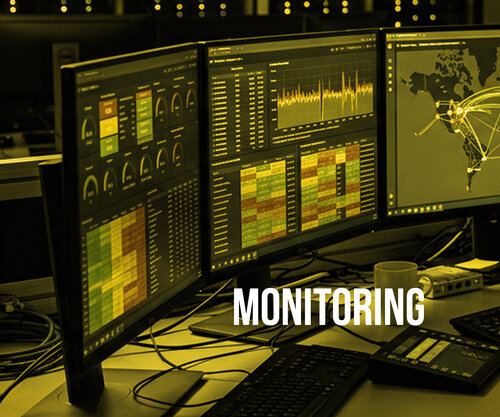
Monitoring – an air traffic controller for IT

What would happen if air traffic controllers stopped working? Two aircraft approach each other at the same altitude, a landing and a take-off overlap on the same runway, nobody glances at the radar screen. The result would not just be chaos but a major catastrophe. This is exactly the situation that threatens IT when monitoring is missing!


An IT environment also needs an air traffic controller who has an overview of all states in the system at all times. What is the status of the servers? Are the logs in order or are there signs pointing to a "crash"? Are all programs running smoothly? If nobody takes on the role of the air traffic controller, relevant problems will sooner or later collide and result in full-blown production and service outages.

Read more
Faces of DTS

Between Code and Sovereignty: Security Software Development “Made in Germany”

What began with a 386 under the Christmas tree grew into a conviction: Paul Dudek, a Software Developer, talks about his journey into IT and “Made in Germany” security software. In our interview, we discuss how high standards, attitude, responsibility and digital sovereignty come together in our software development – and why software from Germany isn’t a compromise, but a model for the future.

Read more
IT Blog

Digital Sovereignty: From Aspiration to Reality - Part 3 of 3

Everyone is talking about digital sovereignty. In part 1 of our blog series, we showed that it is not a political vision but a genuine business foundation. Part 2 focused on the fundament: data centers, cloud and IT infrastructure. Now we turn to the layer users work with every day: platforms, solutions and services, above all in IT security. This raises the final question: when and how are you truly sovereign and independent at this level? Because this is where it becomes clear whether the aspiration turns into lived practice.

Read more

Contact us!

Get a free, no-obligation consultation now.

Gespräch vereinbaren!
Contact
Support
Newsletter
Cloud Portal

How to reach us:

Support

Hotline

To open a ticket, simply call our 24/7 hotline:
 

+49 5221 1013-032

Email

To open a ticket, simply email us with your technical issue:
 

support​@​dts.de

Web frontend

Enter new tickets in the web frontend, view and classify all open tickets etc.

support.dts.de

Remote support

Enables remote connections to your endpoints:
 

support-remote.dts.de

Subscribe now!

Current information about DTS, our products, events and other news about the entire group of companies.

DTS in general

Login

DTS Systeme Muenster

Login

DTS Cloud Portal

The DTS Cloud Portal is our platform for you to easily and flexibly add and manage your DTS Cloud products and services. The intuitive platform allows you to configure selected products individually and thus adapt them exactly to your requirements.