





Endpoint Security
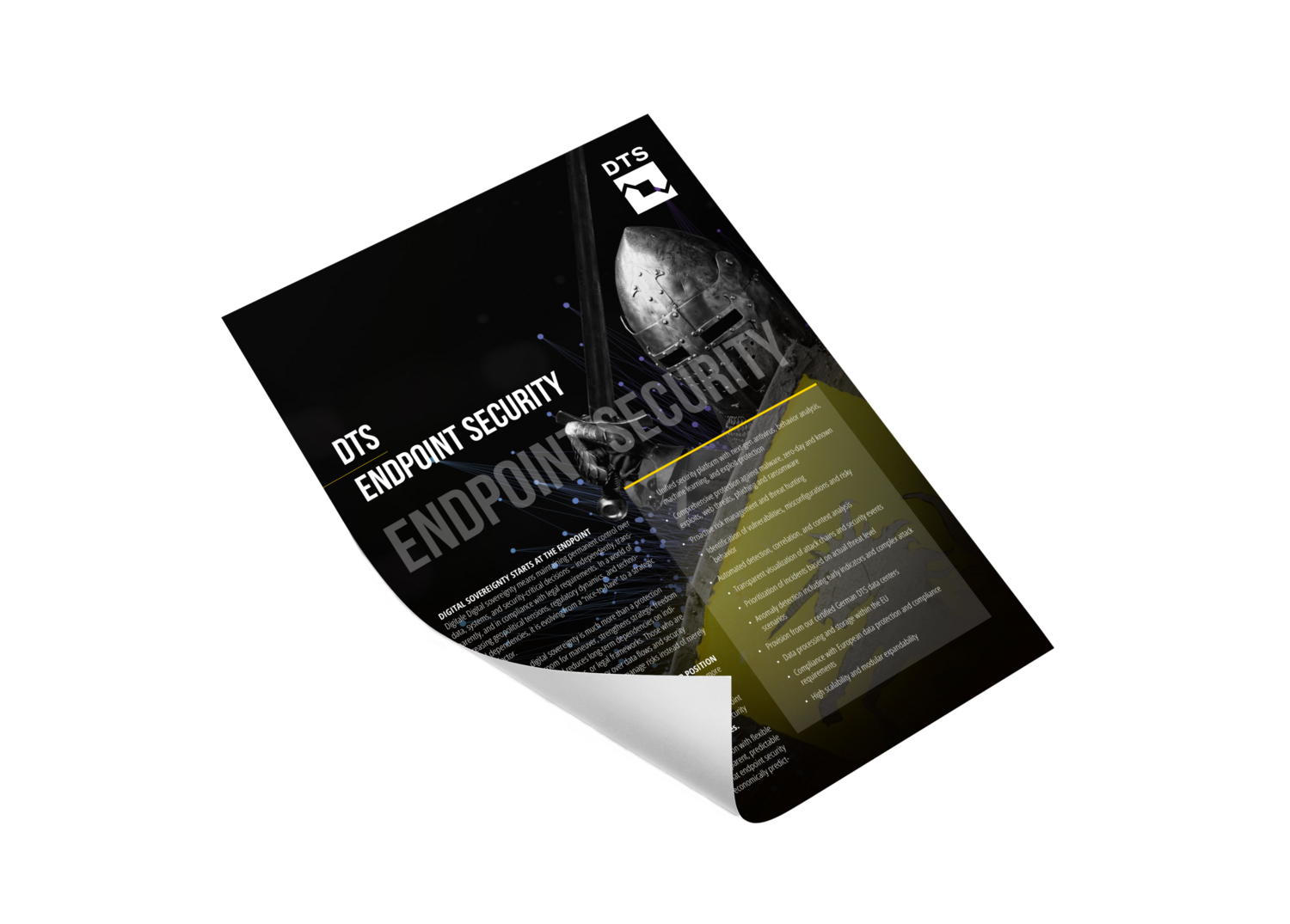
Endpoint Security – European-sovereign or globally integrated
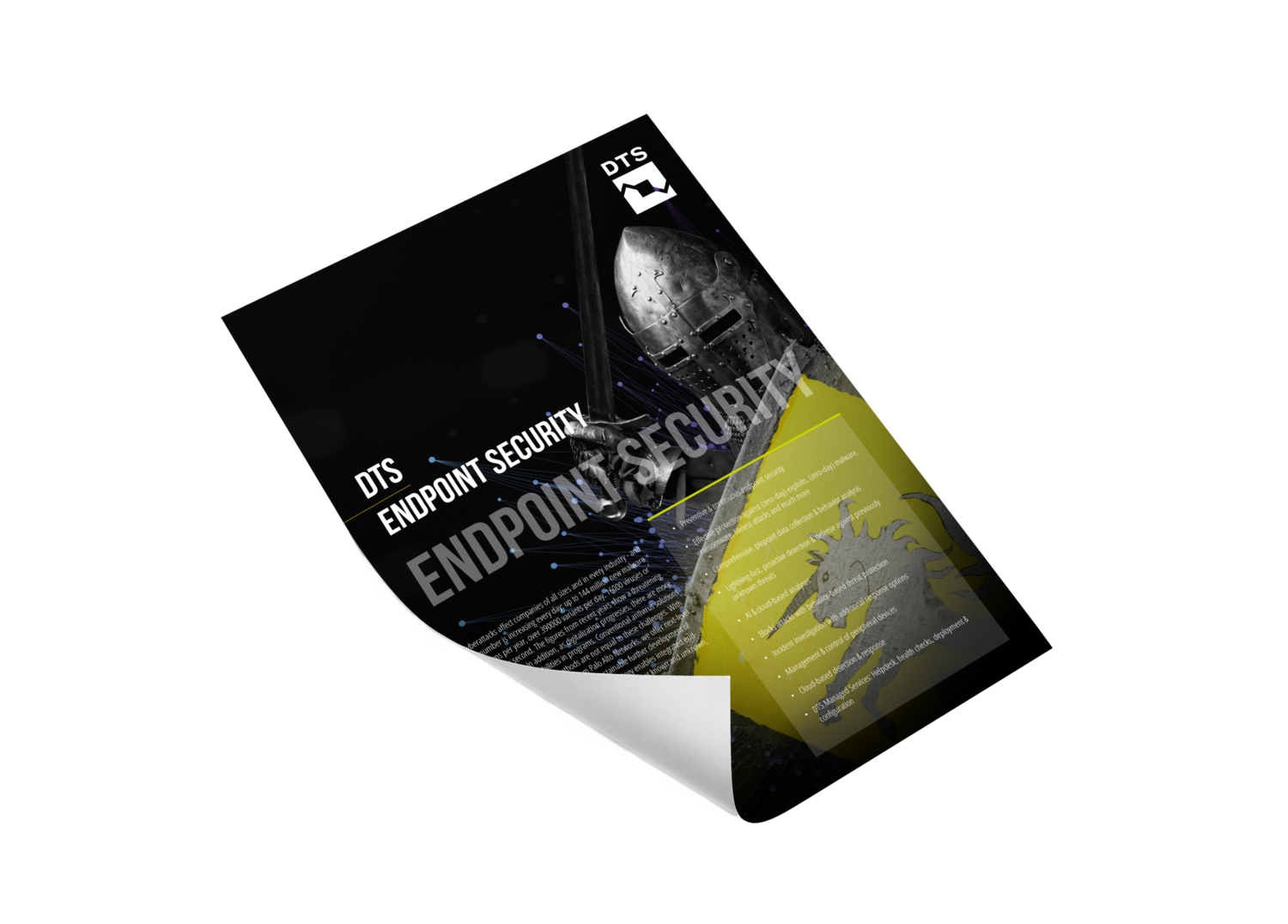
Every year, up to 144 million malware variants are created, which equates to over 390,000 per day, as well as 16,000 viruses or Trojans per second. At the same time, increasing digitalization is also leading to a growing number of vulnerabilities in applications and systems. Traditional antivirus solutions have long since reached their limits in this dynamic environment. Modern endpoint security must therefore be a central component of any security strategy: it provides comprehensive protection for end devices against known and unknown attacks and detects threats early on, before they can cause damage.
At the same time, another aspect is becoming increasingly important: digital sovereignty. Companies not only want to be protected as well as possible from a technical standpoint, but also want to retain control over data, systems, and security-related decisions. Dependencies on individual technologies, providers, or jurisdictions are coming into sharper focus and becoming another strategic factor.
DTS Endpoint Security meets both requirements. We offer two equally powerful, technologically advanced, equivalent options: a non-European, globally oriented solution and an independent, European-sovereign solution. This allows companies to choose the endpoint security strategy that fits both their security requirements and their strategic framework. DTS makes it possible.


The solutions – European sovereignty or non-European-global:
We independently and individually recommend or enable exactly the solution that fits your requirements based on your priorities, architecture, and security strategy. Our two endpoint security approaches are not “alternatives”. They either focus on European sovereignty or a global focus outside Europe, dedicated to your security architecture.

























ASK IT: FAQ around the topic "Endpoint Security"
Endpoint security refers to the protection of end devices—such as PCs, laptops, or mobile devices—against cyberattacks. This includes threats such as malware, ransomware, viruses, and phishing attacks.
Traditional antivirus solutions generally rely on known signatures and therefore only detect threats that have already been identified. New attack methods, such as zero-day exploits or fileless malware, often go undetected.
Modern endpoint security solutions, such as those offered by DTS, employ additional protective mechanisms like behavioral analysis and AI-based threat detection.
Endpoint security is suitable for companies of all sizes, particularly organizations with hybrid work models, multiple locations, or a large number of end devices.
Security incidents are detected in real time. As soon as suspicious behavior occurs on an end device, it is automatically evaluated and, if necessary, isolated.
DTS can either trigger automated protective measures or hand the analysis over to a security team that investigates the incident further and responds in a targeted manner.
Yes. The solution is designed to integrate into existing IT structures—regardless of whether they are operated on-premises, in a hybrid environment, or in the cloud.
Security policies and end devices can be managed centrally, resulting in a unified security strategy.

Let's have a talk!
Get free and easy advice.